
9 Powerful Signs You Might Be Experiencing Anxiety (Don’t Ignore Them)
9 Powerful Signs You Might Be Experiencing Anxiety: Anxiety is one of the most common mental health concerns today, yet it often goes unnoticed or misunderstood. Many people assume anxiety is just “overthinking” or temporary worry. However, persistent anxiety can silently affect emotional balance, physical health, relationships, and daily functioning.
Recognizing the signs you might be experiencing anxiety is the first step toward healing and self-awareness. Let’s explore these signs with clarity and compassion.
Table of Contents
- What Is Anxiety?
- 1. Constant Overthinking and Excessive Worry
- 2. Physical Symptoms Without Clear Medical Cause
- 3. Difficulty Concentrating or Staying Focused
- 4. Restlessness and Feeling On Edge
- 5. Sleep Disturbances
- 6. Avoidance of Certain Situations
- 7. Irritability and Emotional Sensitivity
- 8. Constant Need for Reassurance
- 9. Feeling Tired Despite Adequate Rest
- When Should You Seek Professional Help?
- Final Thoughts
What Is Anxiety?
Anxiety is a natural response to stress or perceived danger. It prepares the body to react. But when anxiety becomes frequent, intense, or overwhelming without real threats, it may indicate an anxiety-related concern.
Unlike normal stress, anxiety:
- Persists even when problems are small or absent
- Interferes with daily life
- Affects both mind and body
1. Constant Overthinking and Excessive Worry
When thoughts refuse to slow down
One of the most common anxiety signs is continuous worry about future events, even minor ones.
You may:
- Replay conversations repeatedly
- Fear worst-case scenarios
- Struggle to “switch off” your mind
This mental overload creates emotional exhaustion over time.
2. Physical Symptoms Without Clear Medical Cause
Anxiety often shows up in the body
[9 Powerful Signs You Might Be Experiencing Anxiety]Anxiety is not only emotional—it’s physical.
Common physical symptoms include:
- Rapid heartbeat
- Shortness of breath
- Muscle tension
- Headaches or stomach discomfort
When medical tests show no clear cause, anxiety may be the underlying factor.
3. Difficulty Concentrating or Staying Focused
Anxiety consumes mental energy
When the mind is busy worrying, focus naturally suffers.
You may notice:
- Forgetfulness
- Difficulty completing tasks
- Feeling mentally “foggy”
This doesn’t mean lack of intelligence—it’s the brain being overwhelmed.
4. Restlessness and Feeling On Edge
A constant sense of unease
People experiencing anxiety often feel unable to relax.
Signs include:
- Constant fidgeting
- Feeling tense or alert
- Difficulty sitting still
Your nervous system remains in “alert mode,” even when there’s no danger.
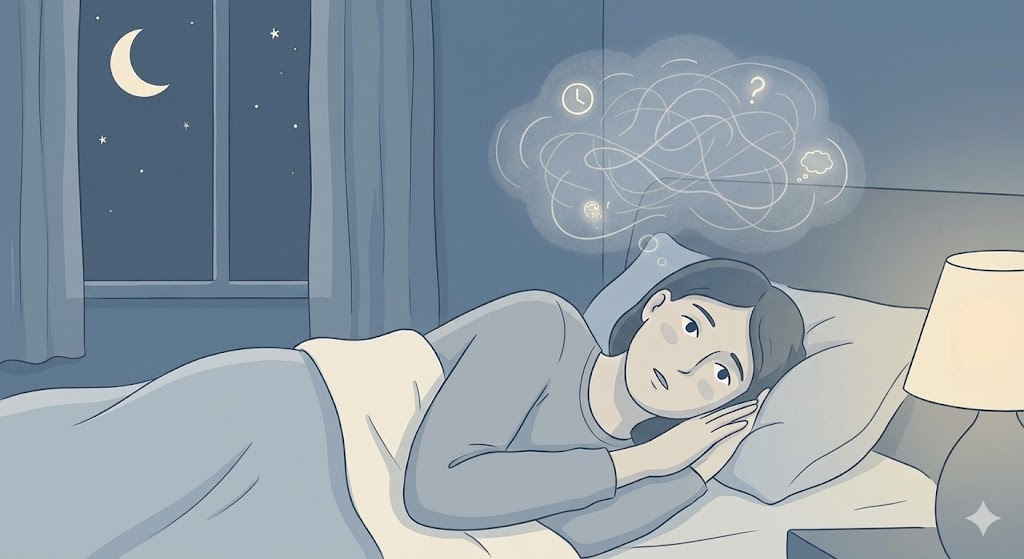
5. Sleep Disturbances
Anxiety disrupts rest
Anxiety commonly affects sleep quality.
You may experience:
- Trouble falling asleep
- Waking up frequently
- Racing thoughts at night
Poor sleep further intensifies anxiety, creating a cycle that feels hard to break.
6. Avoidance of Certain Situations
[9 Powerful Signs You Might Be Experiencing Anxiety]Fear begins to limit life
Avoidance is a subtle but powerful sign of anxiety.
This may include:
- Avoiding social situations
- Postponing responsibilities
- Fear of public places or interactions
Avoidance brings short-term relief but strengthens anxiety long-term.
7. Irritability and Emotional Sensitivity
Anxiety affects emotional regulation
Anxiety often makes emotions harder to manage.
You may:
- Get irritated easily
- Feel emotionally overwhelmed
- React strongly to small triggers
This is not a personality flaw—it’s emotional overload.
8. Constant Need for Reassurance
[9 Powerful Signs You Might Be Experiencing Anxiety]Seeking safety through validation
People with anxiety often seek repeated reassurance.
Examples include:
- Asking others for constant confirmation
- Doubting decisions even after reassurance
- Fear of making mistakes
This behavior comes from self-doubt fueled by anxiety.

9. Feeling Tired Despite Adequate Rest
Mental exhaustion is real
Anxiety drains energy even without physical activity.
You may feel:
- Constant fatigue
- Low motivation
- Emotionally drained
The mind works overtime, leading to burnout.
When Should You Seek Professional Help?
If these signs you might be experiencing anxiety:
[9 Powerful Signs You Might Be Experiencing Anxiety]- Persist for weeks or months
- Interfere with daily functioning
- Cause emotional distress
Seeking professional support can help you understand triggers, learn coping strategies, and restore balance.
Therapy provides a safe space to explore anxiety without judgment.
Final Thoughts
Anxiety is not a weakness—it’s a signal that your mind and body need care. Recognizing anxiety signs early allows for timely support and healing.
You deserve calm, clarity, and emotional safety. 🌿
Help is available, and you don’t have to face it alone.