
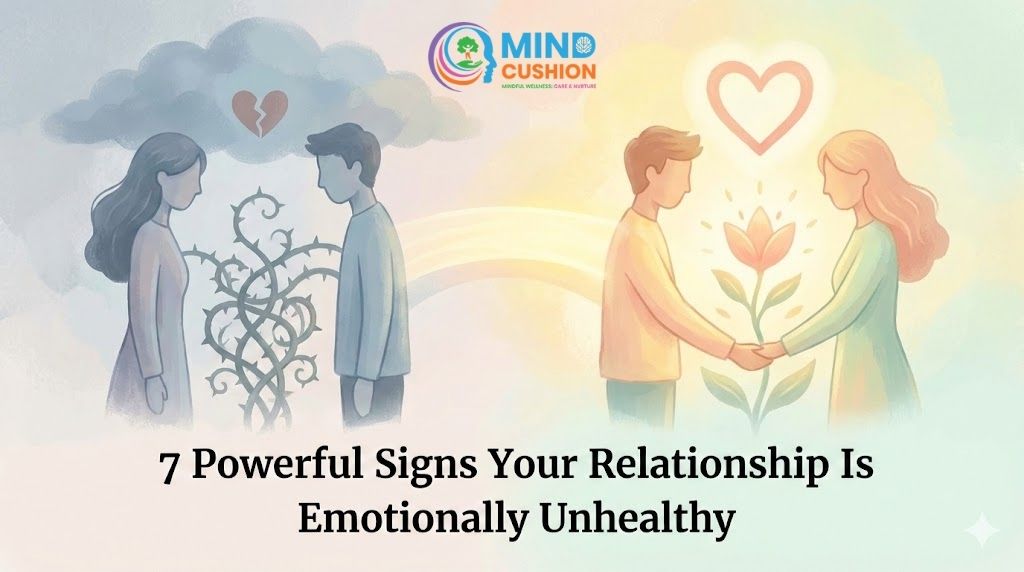
7 Powerful Signs Your Relationship Is Emotionally Unhealthy
Table of Contents
- Is Your Relationship Emotionally Healthy or Slowly Draining You?
- What Does an Emotionally Healthy Relationship Look Like?
- Why Emotional Health in Relationships Matters
- 7 Powerful Signs Your Relationship Is Emotionally Unhealthy
- Can an Emotionally Unhealthy Relationship Improve?
- When to Seek Professional Support
- How Emotional Health Impacts Your Mental Wellbeing
- Healthy vs. Unhealthy Emotional Patterns in Relationships
- Small Steps to Build an Emotionally Healthy Relationship
- Why Self-Awareness Is Key in Emotional Relationships
- Final Gentle Reminder
- Final Thoughts
Is Your Relationship Emotionally Healthy or Slowly Draining You?
7 Powerful Signs Your Relationship Is Emotionally Unhealthy – An emotionally healthy relationship feels safe, supportive, and balanced — yet many people stay in emotionally draining relationships without realizing it.
If you’ve been asking yourself “is your relationship emotionally healthy?”, this question matters deeply. Emotional health in relationships affects your self-esteem, mental wellbeing, and overall quality of life.
Understanding the signs can help you protect your emotional health and build healthier connections.
What Does an Emotionally Healthy Relationship Look Like?
An emotionally healthy relationship allows both partners to express themselves freely without fear.
Key characteristics include:
- Mutual respect
- Emotional safety
- Open communication
- Balanced effort
- Individual growth
Healthy relationships don’t avoid conflict — they handle it with care.
Why Emotional Health in Relationships Matters
Your emotional environment shapes your mental wellbeing.
When a relationship is emotionally healthy:
- You feel secure and valued
- Stress levels reduce
- Emotional resilience increases
- Communication improves
Emotionally unhealthy dynamics can quietly lead to anxiety, self-doubt, and emotional exhaustion.
7 Powerful Signs Your Relationship Is Emotionally Unhealthy
1. You Feel Emotionally Drained After Interactions
A relationship should energize, not exhaust.
Warning signs include:
- Feeling tense or anxious around your partner
- Emotional fatigue after conversations
- Walking on eggshells
Emotional exhaustion is often the first red flag.
2. Lack of Emotional Safety
You hesitate to express your feelings.
This may look like:
- Fear of being judged or dismissed
- Avoiding honest conversations
- Suppressing emotions to keep peace
Without safety, intimacy cannot grow.

3. Poor or One-Sided Communication
Communication becomes ineffective or imbalanced.
Common patterns include:
- Being talked over
- Conversations turning into arguments
- Feeling unheard
Healthy communication requires mutual listening.
4. Control or Emotional Manipulation
Control often hides behind concern.
Signs of manipulation include:
- Guilt-tripping
- Silent treatment
- Excessive jealousy
- Gaslighting
These behaviors erode self-trust and confidence.
[7 Powerful Signs Your Relationship Is Emotionally Unhealthy]5. Lack of Boundaries
Personal boundaries are essential.
Boundary issues include:
- Feeling responsible for your partner’s emotions
- Lack of personal space
- Fear of saying no
Boundaries protect connection — they don’t harm it.
6. Constant Conflict Without Resolution
Arguments repeat without growth.
You may notice:
- Same issues resurfacing
- Blame without accountability
- No effort toward change
Conflict should lead to understanding, not resentment.
7. Loss of Self in the Relationship
Your identity begins to shrink.
Warning signs include:
- Losing interests or friendships
- Constantly prioritizing your partner
- Feeling disconnected from yourself
Healthy relationships support individuality.

Can an Emotionally Unhealthy Relationship Improve?
Yes — with awareness, effort, and support.
Positive changes require:
- Honest self-reflection
- Open communication
- Respectful boundaries
- Willingness from both partners
Sometimes, professional guidance helps rebuild emotional balance.
When to Seek Professional Support
[7 Powerful Signs Your Relationship Is Emotionally Unhealthy]Therapy can help if:
- Emotional distress persists
- Communication feels impossible
- Trust has been damaged
Seeking help is an act of care, not failure.
At Mind Cushion, we believe healthy relationships start with emotional awareness 🌱
How Emotional Health Impacts Your Mental Wellbeing
An emotionally unhealthy relationship doesn’t stay limited to the relationship itself — it often spills into your mental health.
When emotional needs are consistently unmet, people may begin to experience:
- Chronic stress or anxiety
- Low self-esteem
- Emotional numbness
- Difficulty trusting others
- Feelings of loneliness, even while in a relationship
Over time, these emotional patterns can lead to burnout, resentment, or emotional withdrawal. Many individuals normalize this discomfort, believing that relationships are “supposed to be hard.” While effort is part of any relationship, constant emotional strain is not healthy.
An emotionally healthy relationship, on the other hand, becomes a source of emotional regulation and safety rather than distress.
Healthy vs. Unhealthy Emotional Patterns in Relationships
[7 Powerful Signs Your Relationship Is Emotionally Unhealthy]Understanding the difference between healthy and unhealthy emotional patterns can bring clarity.
Emotionally Healthy Patterns
- Open and respectful communication
- Validation of feelings
- Shared responsibility
- Emotional support during difficult times
- Space for individuality
Emotionally Unhealthy Patterns
- Frequent emotional invalidation
- Avoidance or silent treatment
- Control disguised as concern
- Fear-based communication
- Imbalance of emotional effort
If you notice unhealthy patterns repeating, it doesn’t automatically mean the relationship must end — but it does signal the need for awareness and change.
Small Steps to Build an Emotionally Healthy Relationship
Improving emotional health in relationships often begins with small, intentional actions.
You can start by:
- Expressing your needs calmly and clearly
- Practicing active listening without interrupting
- Setting gentle but firm boundaries
- Reflecting on emotional triggers
- Taking responsibility for your emotional responses
Healthy relationships grow through emotional accountability, not blame.
Why Self-Awareness Is Key in Emotional Relationships
Before asking whether your partner is emotionally supportive, it’s equally important to reflect inward.
Self-awareness helps you:
- Recognize emotional patterns
- Understand attachment styles
- Communicate needs effectively
- Avoid repeating unhealthy dynamics
When both partners are emotionally aware, relationships become spaces of mutual growth instead of emotional survival.
Final Gentle Reminder
Not every emotionally unhealthy relationship looks dramatic or obvious. Some feel quiet, distant, or subtly draining — and those are just as important to acknowledge.
If you find yourself repeatedly asking “is your relationship emotionally healthy?”, trust that question. It’s your emotional intelligence speaking.
Healthy relationships don’t demand you lose yourself to keep them alive. They allow you to feel seen, supported, and emotionally safe — just as you are 🌱
Final Thoughts
Asking “is your relationship emotionally healthy?” is a brave step. Emotional wellbeing in relationships is not about perfection — it’s about safety, respect, and growth.
You deserve relationships that support your emotional health, not compromise it.