
7 Powerful Reasons Why You Feel Angry So Often
Table of Contents
- 🧠 7 Powerful Reasons Why You Feel Angry So Often
- Understanding Anger From a Psychological Perspective
- 1. Unexpressed Emotions Build Up Over Time
- 2. Chronic Stress and Emotional Overload
- 3. Unmet Emotional Needs
- 4. Difficulty Regulating Emotions
- 5. Past Emotional Wounds and Trauma
- 6. Negative Thought Patterns
- 7. Lack of Healthy Emotional Outlets
- How Frequent Anger Affects Mental Health
- Learning to Respond Instead of React
- How Anger Impacts Relationships and Daily Life
- Why Anger Often Feels Automatic
- Small Daily Practices to Reduce Frequent Anger
- When to Seek Professional Support
- Final Gentle Reminder
- Final Thoughts
🧠 7 Powerful Reasons Why You Feel Angry So Often
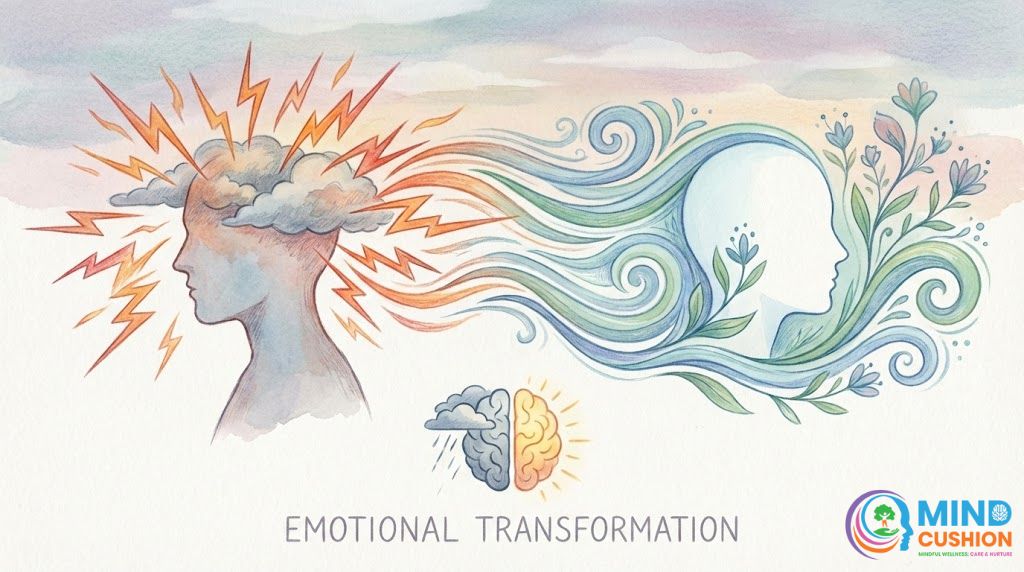
Anger is a natural human emotion. It alerts us when something feels unfair, threatening, or overwhelming. But when anger becomes frequent, intense, or difficult to control, it may signal deeper emotional patterns.
If you often ask yourself “why do you feel angry often?”, you’re not alone. Many people experience recurring anger without fully understanding its root causes. This article explores the psychological reasons behind frequent anger and how emotional awareness can lead to healthier regulation.
Understanding Anger From a Psychological Perspective
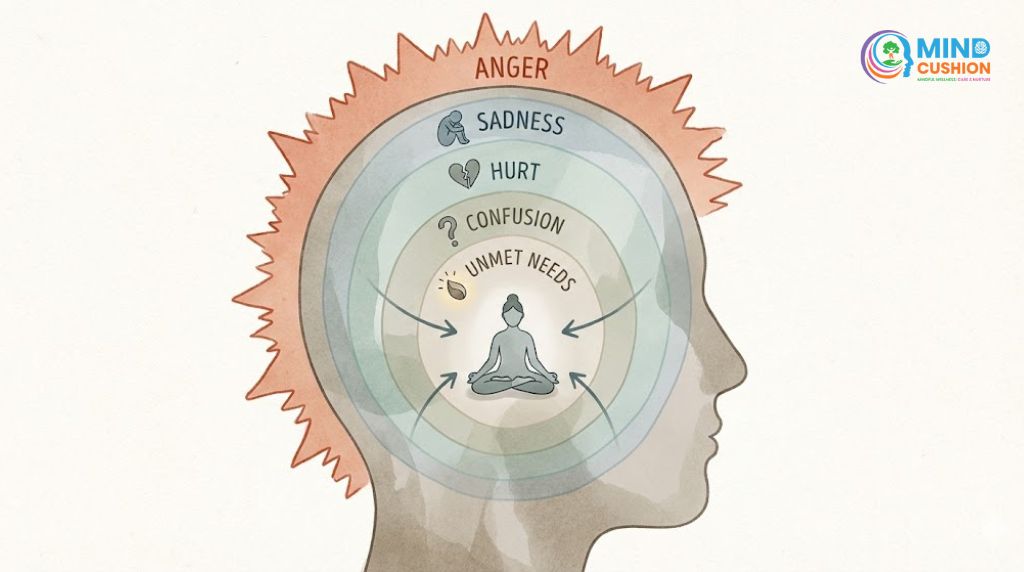
Anger is not inherently negative. In psychology, anger is considered a secondary emotion, meaning it often masks deeper feelings such as fear, sadness, shame, or frustration.
When those underlying emotions remain unprocessed, anger surfaces repeatedly — sometimes in ways that feel sudden or uncontrollable.
1. Unexpressed Emotions Build Up Over Time
One of the most common reasons people feel angry often is emotional suppression.
What Happens When Emotions Are Suppressed
- Feelings remain unacknowledged
- Emotional pressure increases
- Anger becomes the outlet
Examples of Suppressed Emotions
- Sadness that feels unsafe to express
- Fear of conflict
- Guilt or shame
Over time, suppressed emotions leak out as irritability or rage.
2. Chronic Stress and Emotional Overload
Living in a constant state of stress keeps the nervous system on high alert.
When stress becomes chronic, even minor inconveniences can trigger anger.
Signs of Stress-Related Anger
- Short temper
- Irritability
- Difficulty relaxing
- Feeling overwhelmed
Anger becomes the body’s way of releasing built-up tension.
3. Unmet Emotional Needs
Unmet needs often fuel frequent anger.
These needs may include:
- Feeling heard
- Feeling respected
- Emotional validation
- Personal boundaries
When these needs go unmet repeatedly, frustration accumulates and manifests as anger.
4. Difficulty Regulating Emotions
[7 Powerful Reasons Why You Feel Angry So Often]Some individuals were never taught healthy emotional regulation skills.
Emotional Regulation Challenges Include
- Reacting impulsively
- Difficulty calming down
- Intense emotional responses
Without regulation tools, anger becomes the dominant emotional response.
5. Past Emotional Wounds and Trauma
Unresolved emotional wounds often resurface through anger.
How Trauma Influences Anger
- Heightened threat perception
- Emotional hypervigilance
- Reactivity
Anger becomes a protective mechanism rather than an intentional reaction.
6. Negative Thought Patterns
[7 Powerful Reasons Why You Feel Angry So Often]Thoughts strongly influence emotions.
Common anger-fueling thought patterns include:
- “People always disrespect me”
- “Nothing ever goes my way”
- “I’m being treated unfairly”
These cognitive distortions intensify emotional reactions and sustain anger cycles.
7. Lack of Healthy Emotional Outlets
When emotions lack healthy expression channels, anger finds its own way out.
Healthy Outlets Reduce Anger
- Physical movement
- Journaling
- Mindful breathing
- Verbal expression
Without outlets, emotional energy builds until it explodes.
How Frequent Anger Affects Mental Health
Unmanaged anger doesn’t stay isolated.
It can lead to:
- Relationship conflict
- Guilt and regret
- Anxiety and burnout
- Physical tension and fatigue
Recognizing anger patterns is a crucial step toward emotional wellbeing.
Learning to Respond Instead of React
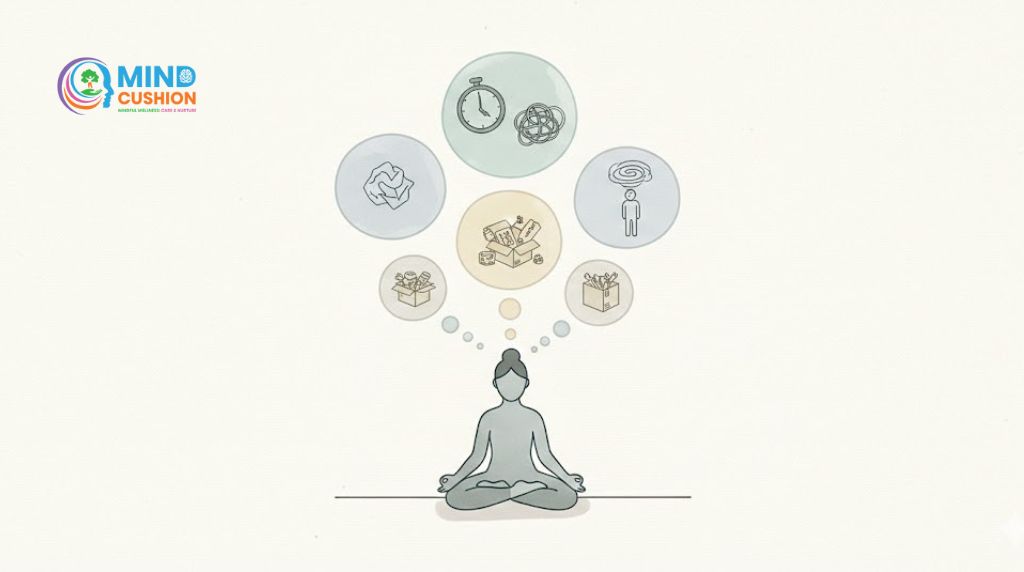
[7 Powerful Reasons Why You Feel Angry So Often]Anger itself isn’t the problem — unawareness is.
With emotional awareness, individuals can:
- Identify triggers
- Understand emotional needs
- Respond consciously
Anger then becomes information, not control.
How Anger Impacts Relationships and Daily Life
Frequent anger doesn’t only affect the person experiencing it — it often impacts relationships, work environments, and social connections.
When anger becomes a regular emotional response, others may begin to feel:
- Emotionally unsafe
- Confused or defensive
- Unheard or blamed
Over time, this can lead to communication breakdowns, emotional distance, and unresolved conflict. Many individuals later experience guilt or regret after angry outbursts, which further fuels emotional distress.
Anger, when unmanaged, creates cycles — frustration leads to anger, anger leads to conflict, and conflict reinforces emotional tension.
Why Anger Often Feels Automatic
[7 Powerful Reasons Why You Feel Angry So Often]Many people describe anger as something that “just happens.” This is because anger is often tied to the body’s threat response system.
The Brain–Body Connection
- The amygdala reacts quickly to perceived threats
- The nervous system prepares for fight or defense
- Rational thinking temporarily decreases
When this response becomes habitual due to stress or past experiences, anger feels automatic rather than chosen. Awareness helps slow this process, allowing the rational brain to re-engage.
Small Daily Practices to Reduce Frequent Anger
Managing anger doesn’t require suppressing it — it requires understanding and regulation.
Gentle Practices That Help
- Pausing before responding
- Naming the emotion beneath anger
- Practicing slow, deep breathing
- Taking brief breaks during emotional overload
- Reflecting instead of reacting
These small shifts help retrain emotional responses over time.
When to Seek Professional Support
[7 Powerful Reasons Why You Feel Angry So Often]If anger feels uncontrollable, intense, or damaging to your wellbeing or relationships, seeking professional help can be valuable.
Support from a mental health professional can help you:
- Identify emotional triggers
- Learn emotional regulation skills
- Process unresolved emotional wounds
- Develop healthier coping strategies
Seeking help is not a sign of weakness — it’s a sign of emotional responsibility.
Final Gentle Reminder
Anger is not the enemy. It is a messenger.
If you feel angry often, your emotions may be asking for attention, care, and understanding rather than suppression. With awareness and support, anger can transform from a destructive force into a guide toward emotional healing.
At Mind Cushion, we believe every emotion carries meaning — and understanding that meaning is the first step toward emotional balance 🌱
[7 Powerful Reasons Why You Feel Angry So Often]Final Thoughts
If you’ve been wondering why you feel angry often, know that anger is not a personal flaw. It’s a signal asking for understanding, compassion, and care.
At Mind Cushion, we believe emotional wellbeing begins with awareness — and awareness leads to change 🌱