
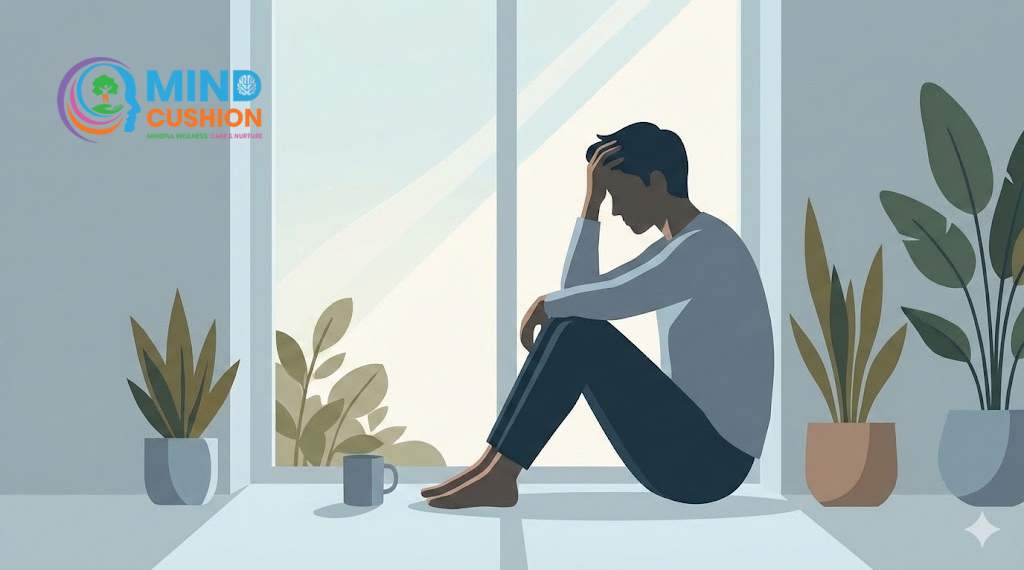
7 Hidden Reasons You Feel Emotionally Drained (And How to Recover)
7 Hidden Reasons You Feel Emotionally Drained – Do You Feel Emotionally Drained All the Time?
[7 Hidden Reasons You Feel Emotionally Drained]: Feeling emotionally drained can make even simple daily tasks feel overwhelming. You might wake up tired, feel detached from people you care about, or struggle to find motivation — even after resting.If you’ve been asking yourself “why do I feel emotionally drained all the time?”, you’re not weak, broken, or lazy. Emotional exhaustion is a psychological response, not a personal failure.
Let’s explore the hidden reasons behind emotional burnout and what you can do to gently recover your emotional energy.
Table of Contents
- 7 Hidden Reasons You Feel Emotionally Drained – Do You Feel Emotionally Drained All the Time?
- What Does It Mean to Be Emotionally Drained?
- 7 Hidden Reasons You Feel Emotionally Drained
- 1. Chronic Stress Without Recovery
- How it affects you:
- 2. Emotional Suppression
- You may suppress emotions by:
- 3. Overgiving Without Boundaries
- Signs you lack emotional boundaries:
- 4. Unresolved Emotional Trauma
- Emotional trauma may show up as:
- 5. Decision Fatigue
- 6. Lack of Emotional Validation
- Examples:
- 7. Ignoring Your Emotional Needs
- Emotional needs include:
- How to Recover When You Feel Emotionally Drained
- When to Seek Professional Support
- Final Thoughts
What Does It Mean to Be Emotionally Drained?
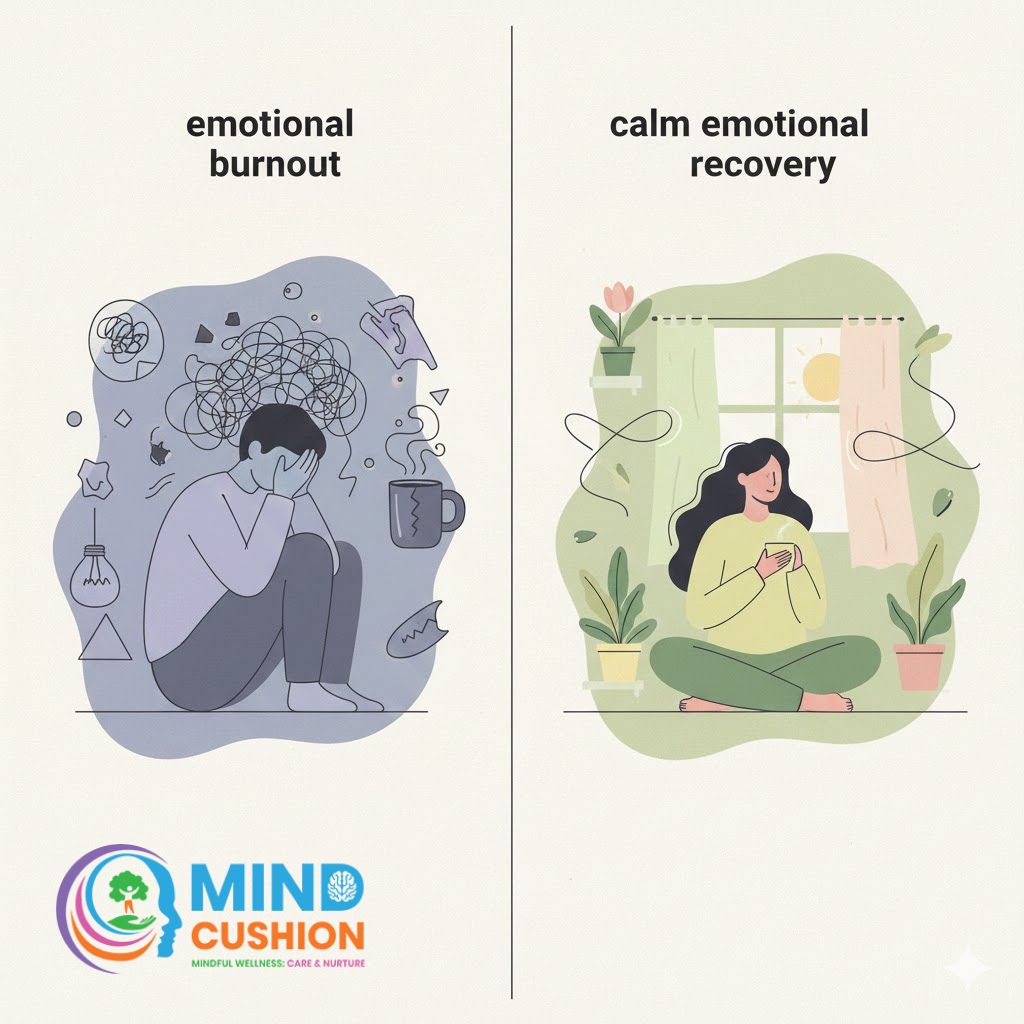
Being emotionally drained means your emotional reserves are depleted. Unlike physical tiredness, emotional exhaustion doesn’t disappear after sleep.
Common signs include:
- Feeling numb or detached
- Constant irritability
- Difficulty concentrating
- Loss of interest in things you once enjoyed
- Feeling overwhelmed by small issues
Emotional exhaustion is often the mind’s way of asking for care — not pressure.
7 Hidden Reasons You Feel Emotionally Drained
1. Chronic Stress Without Recovery
Stress becomes dangerous when it’s constant and unresolved.
How it affects you:
- Keeps your nervous system in “survival mode”
- Prevents emotional recovery
- Leads to mental and emotional fatigue
Even positive stress — like career growth or family responsibilities — can drain you if rest is missing.
2. Emotional Suppression
[7 Hidden Reasons You Feel Emotionally Drained]Pushing emotions aside instead of processing them is exhausting.
You may suppress emotions by:
- Saying “I’m fine” when you’re not
- Avoiding difficult conversations
- Distracting yourself constantly
Unexpressed emotions don’t disappear — they accumulate, leading to emotional burnout.
3. Overgiving Without Boundaries
If you’re always the one who listens, helps, and supports — you may be emotionally drained from people-pleasing.
Signs you lack emotional boundaries:
- Feeling guilty when you say no
- Putting others’ needs before your own
- Feeling resentful but silent
Healthy relationships require balance, not self-sacrifice.
4. Unresolved Emotional Trauma
Past emotional wounds don’t fade just because time passes.
Emotional trauma may show up as:
- Sudden emotional shutdown
- Overreaction to small triggers
- Persistent emotional heaviness
Trauma quietly drains emotional energy until it’s acknowledged and healed.
5. Decision Fatigue
Modern life forces us to make hundreds of decisions daily.
From work choices to personal responsibilities, constant decision-making leads to mental overload, which directly contributes to feeling emotionally drained.
6. Lack of Emotional Validation
When your feelings are dismissed — by others or yourself — emotional exhaustion grows.
Examples:
- Being told “others have it worse”
- Minimizing your own struggles
- Not feeling understood or heard
Validation is a psychological necessity, not a luxury.
7. Ignoring Your Emotional Needs
Just like your body needs food, your emotions need care.
Emotional needs include:
- Rest
- Connection
- Expression
- Meaning
- Safety
Ignoring these needs long-term leads to emotional burnout and detachment.
How to Recover When You Feel Emotionally Drained
Healing emotional exhaustion starts with small, consistent changes.
Gentle recovery steps:
- Set clear emotional boundaries
- Schedule emotional rest (not just sleep)
- Express emotions through journaling or therapy
- Reduce unnecessary mental overload
- Practice self-compassion, not self-criticism
Recovery isn’t about doing more — it’s about doing less with intention.
When to Seek Professional Support
If emotional exhaustion lasts weeks or worsens, professional help can be transformative.
Consider therapy if you:
- Feel emotionally numb most days
- Struggle to function at work or home
- Experience anxiety or depressive symptoms
Therapy isn’t a sign of weakness — it’s a path to emotional clarity and strength.
Final Thoughts
Feeling emotionally drained doesn’t mean something is wrong with you — it means something needs attention.
By understanding the hidden causes and responding with kindness, you can slowly rebuild emotional resilience and reconnect with yourself.
At Mind Cushion, we believe emotional healing begins with awareness — and continues with support 💚